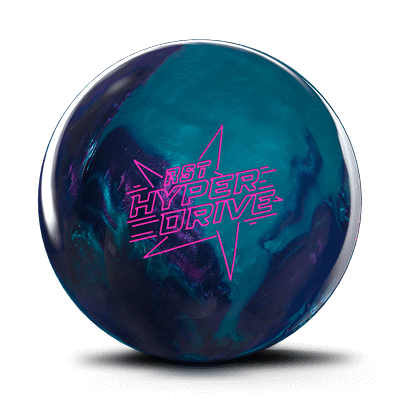
THE WEIGHTBLOCK
A Bowling Balls Engine
The weightblock is the engine inside your ball. It shapes how energy is stored and released.
Toggle between Asymmetric and Symmetric weightblock cores
CORE FUNDAMENTALS
Symmetrical vs Asymmetrical
“Predictable arc vs directional kick.”
- Sym = smoother, more predictable shape
- Asym = sharper, faster-responding motion
Symmetrical vs Asymmetrical Cores
Predictable Arc vs Directional Kick
Symmetrical and asymmetrical cores share the same goal — to create motion on the lane — but how they generate that motion is what sets them apart.
Symmetrical Core
A symmetrical core has evenly distributed mass, producing a smoother and more predictable motion.
RG: 2.48
Diff: 0.051
Int: n/a
Asymmetrical Core
An asymmetrical core includes a defined Preferred Spin Axis (PSA), allowing it to change direction faster once it finds friction.
RG: 2.48
Diff: 0.050
Int: 0.020
Benefits of Symmetrical vs Asymmetrical weightblocks
Symmetrical Core
- More predictable, benchmark motion that’s easy to read.
- Smoother recovery off friction — ideal for control and consistency.
- Great for blending transition and maintaining forgiveness.
- Best choice when you want a rounder, more readable shape.
Asymmetrical Core
- Responds faster to friction — adds power and angle downlane.
- More dynamic motion with stronger continuation through the pins.
- Allows greater layout versatility via the PSA.
- Best choice when you need to open up the lane or maximize backend motion.
When to Use Each Core Type
Symmetrical Core — When Control Matters Most
- Fresh or early friction conditions: smooths out overreaction on dry or blended lanes.
- Benchmark ball testing: perfect for reading the lane before making big moves.
- Lower rev or speed-dominant players: helps keep the ball controllable and predictable.
- Transition games: when asym balls start jumping too hard, a symmetrical blends the shape.
- Goal: maintain control, repeatability, and smooth motion through transitions.
“Think of a symmetrical as your truth teller — it shows you what the lane is really doing.”
Asymmetrical Core — When You Need Extra Motion
- Heavier oil or longer patterns: helps the ball dig in and create angle when symmetrics can’t.
- Higher rev or matched players: enhances responsiveness without needing to force it.
- When you want to open your angles: adds backend torque for a stronger entry angle.
- Later games or higher friction with speed players: keeps energy and drive through the pins.
- Goal: maximize power, angle, and versatility through tuning the PSA and layout.
“Asymmetricals give you a toolbox — the power to shape motion beyond surface alone.”
Arsenal synergy: how both fit into you bag
Symmetrical cores establish a controllable foundation. They smooth out transitions, help you read lane friction, and give a consistent reaction from game to game.
Asymmetrical cores add power on top of that control. They respond faster to friction and create more shape when you need to open up your angles or carry downlane energy.
Used together, they form a complete toolkit — letting you start the day with predictability, and finish with versatility.
RG (Radius of Gyration)
“How fast the ball revs up.”
- Low RG = starts earlier.
- High RG = saves energy, pushes longer.
Low RG vs High RG
Low RG revs up earlier. High RG saves energy and revs later down the lane.
Low RG = Early Rev-Up
High RG = Delayed Rev-Up
LOW RG VS HIGH RG: HOW THEY REACT
Two bowling balls can share a similar differential, yet react completely differently depending on their Radius of Gyration (RG). RG influences how quickly the ball revs up and transitions through the lane.
Low RG + Similar Diff
RG: 2.48
Diff: 0.043
- Rev-up starts earlier in the midlane.
- Creates stronger traction and earlier motion.
- Best choice when you need earlier read and control in heavier oil.
High RG + Similar Diff
RG: 2.55
Diff: 0.045
- Stores more energy through the front part of the lane.
- Delays rev-up for sharper backend motion.
- Ideal when you want clean fronts and strong backend reaction.
Differential
“How much potential the ball has to change direction.”
- High Differential = greater change of direction (bigger move).
- Low Differential = less change of direction (smoother, straighter).
Differential: Change of Direction
Low Diff = smoother, less change of direction.
High Diff = bigger move, greater change of direction.
Low Differential
High Differential
From Specs to Lane Reality
On paper, the numbers don’t look far apart — 0.029 vs 0.053. But on the lanes, it’s the difference between a smooth, benchmark arc and a sharper, more aggressive move.
LOW DIFF + SIMILAR RG
RG: 2.49
Diff: 0.029
Lower differential = smoother, more controllable motion.
HIGH DIFF + SIMILAR RG
RG: 2.47
Diff: 0.053
Higher differential = stronger change of direction.
BENEFITS OF LOW DIFF AND HIGH DIFF
and why you need them in your arsenal
Low Differential
- More predictable motion, easier to control
- Handles transition and breakdown smoothly
- Great benchmark reaction to read the lane
- Reduces risk of over-reaction when friction is high
High Differential
- Maintains hook potential in heavier oil.
- Gives the ball the ability to change direction when oil is present
- Supports stronger overall motion
Differential and RG: How They Interconnect
Two bowling balls can have the similar differential but react very differently depending on their RG.
Low RG + Similar Diff
RG: 2.48
Diff: 0.043
- Gets into a roll earlier on the lane.
- Stronger overall motion with earlier traction.
- Best when you need earlier read in the midlane.
High RG + Similar Diff
RG: 2.55
Diff: 0.045
- Stores more energy for the backend.
- Later hook, sharper motion downlane.
- Best when you need length before reaction.
Intermediate Differential (PSA)
“How fast it changes direction.”
- Higher int. diff = sharper/more defined move.
- Lower int. diff = transition is slower and smoother.
PSA – How Fast Asymmetrical Cores Transition
Differential shows how much total direction change a ball can make.
Intermediate Differential (PSA) shows how fast that direction change happens once it
starts.
High Intermediate
Low Intermediate
INTERMEDIATE DIFF IN ACTION
See how two bowling balls with similar Rg and Differntial react with differnt intermediate ratings.
High Intermediate
RG: 2.51
Diff: 0.051
Int: 0.016
High Int. Diff: transition curve is steeper, compresses into a quick change.
Low Intermediate
RG: 2.50
Diff: 0.056
Int: 0.008
Low Int. Diff: transition curve is stretched out, arcs smoothly before finishing.
Benefits of Higher vs Lower Intermediate Differential
Higher Intermediate Diff (strong PSA):
- Once friction is encountered, the core transitions faster
- Motion becomes sharper and more angular
- The breakpoint looks quick and defined
- Often creates a “flip” look rather than a smooth arc
Lower Intermediate Diff (weaker PSA):
- Once friction is encountered, the core transitions slower
- Motion blends out and looks smoother
- The breakpoint appears rounder
- Can resemble the motion of a symmetrical ball
HOW RG & DIFFERENTIAL COMBOS COMPARE
See how common RG/Differential combinations translate to ball motion and lane use. Filter by brand to focus on Storm, Roto Grip, or 900 Global.
| RG / DIFF COMBO | REACTION TRAIT | BEST CONDITIONS | EXAMPLE BALLS |
|---|---|---|---|
| Low RG + High Diff |
Early & Strong
|
Heavy oil, fresh conditions | Roto Grip TNT, Storm Proton PhysiX, 900 Global Reality |
| High RG + Low Diff |
Clean & Smooth
|
Dry lanes, spares, late blocks | Storm Hy-Road Pearl, Roto Grip Hustle INK, 900 Global Burner Pearl |
| Mid RG + Mid Diff |
Benchmark / Balanced
|
Versatile, medium conditions | Storm !Q Tour, Roto Grip Helios, 900 Global Zen |
| Low RG + Low Diff |
Stable & Smooth
|
Short patterns, spare control | Storm Pitch Black, Fast Pitch |
| High RG + High Diff |
Angular & Delayed
|
Transition / needing shape downlane | Storm Dark Code, Roto Grip Rubicon UC3 |

WHY NUMBERS DONT TELL THE WHOLE STORY
Two balls. Similar specs. Totally different reactions. It all comes down to the coverstock.
EQUNOX
Strong Asym Torque
RG: 2.47
DIFF: 0.054
PSA: 0.016
COVERSTOCK: A1S Pearl Reactive
FACTORY FINISH: Power Edge
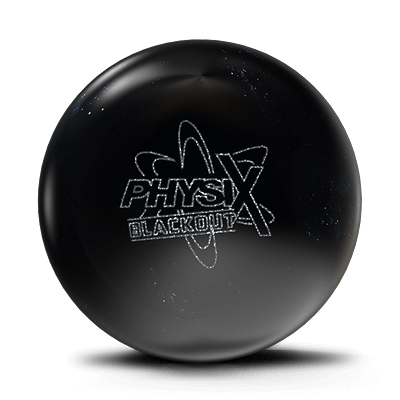
Even with a lower differential and intermediate differential (PSA) which would suggest less overall motion — the Equinox, because of the coverstock, produces more energy retention, which in turn creates more backend motion than the Physix Blackout.
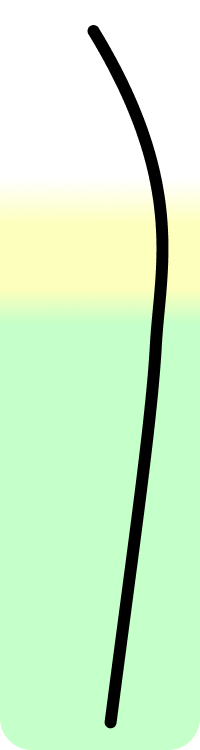
- Hook Phase Timing: Late + Delayed
- Shape of Motion: Angular + Skid Flip
- Change of Direction: Immediate / Very Fast
- Roll Characteristic: Energy Retaining
PHYSICS BLACKOUT
Smooth & Blended Control
RG: 2.47
DIFF: 0.056
PSA: 0.018
COVERSTOCK: NEX Pearl Reactive
FACTORY FINISH: 2000 Grit
Even with a higher differential and intermediate differential (PSA) which would suggest more overall motion - the Physics blackout, because of the cover stock, produces more friction, which in turn creates a smoother hook motion than the Equinox.

- Hook Phase Timing: Mid Lane + Gradual
- Shape of Motion: Smooth + Round
- Change of Direction: Moderate / Medium
- Roll Characteristic: Continuous
Neither of these balls simply ‘hooks more.’ What defines their value is where they pick up and how they shape on the lane. Surface, layouts, and lane conditions can flip which one looks stronger — that’s why looking beyond the numbers is the real key to building an arsenal.
Toggle between the Equinox and the Physics Blackout and see how changing scenarios effect ball motion.
Select the scenario you would like to change to see the effect it has on ball motion
EQUNOX
Strong Asym Torque
ORIGINAL SURFACE – Power Edge
FACTORY SURFACE: Factory box finish with Power Edge polish.
WHY IT MATTERS: The polished surface minimizes early traction, helping the ball conserve energy for a stronger, sharper backend motion.
REACTION PROFILE: Clears the front part of the lane with ease, then makes a decisive, angular move
ARSENAL ROLE: Angular motion that thrives on heavier oil but still versatile with transition.
- Hook Phase Timing: Late + Delayed
- Shape of Motion: Angular + Skid Flip
- Change of Direction: Immediate / Very Fast
- Roll Characteristic: Energy Retaining
EQUNOX
Strong Asym Torque
SURFACE CHANGE – 2000 Grit
CHANGE MADE: Sanded from factory polish to 2000 grit
WHY IT MATTERS: Adds midlane traction while maintaining backend shape.
REACTION CHANGE: Reads friction sooner, smoothing out the breakpoint for a rounder, more predictable motion without losing energy retention.
ARSENAL IMPACT: Converts the Equinox into a benchmark control option that blends wet/dry transitions or sport-like friction zones.

- Hook Phase Timing: Midlane + Controlled
- Shape of Motion: Angular
- Change of Direction: Quick / Fast
- Roll Characteristic: Continuous
EQUNOX
Strong Asym Torque
SURFACE CHANGE – 1000 Grit
CHANGE MADE: Sanded from factory polish to 1000 grit
WHY IT MATTERS: Deepens traction window and increases total friction footprint in the oil.
REACTION CHANGE: Starts noticeably earlier in the midlane with a strong, continuous roll and a softer downlane move
ARSENAL IMPACT: Transforms the Equinox into a true heavy oil pearl specialist for early read and maximum control when polish or higher grits skate too long.
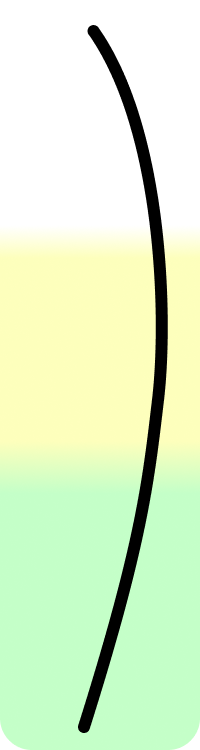
- Hook Phase Timing: Early
- Shape of Motion: Arc
- Change of Direction: Moderate / Medium
- Roll Characteristic: Continuous
EQUNOX
Strong Asym Torque
ORIGINAL LAYOUT – Standard Roll
LAYOUT: Standard/benchmark drilling (neutral pin-to-PAP distance, balanced CG/PSA).
WHY IT MATTERS: Provides a balanced transition from skid → hook → roll, without favoring earlier or later motion.
REACTION PROFILE: Medium length with a defined but controllable backend shape.
ARSENAL ROLE: Gives the ball its “intended” look and is a reference point for comparing stronger or weaker layout adjustments.
- Hook Phase Timing: Late
- Shape of Motion: Angular
- Change of Direction: Quick / Fast
- Roll Characteristic: Energy Retaining
EQUNOX
Strong Asym Torque
LAYOUT CHANGE – Earlier Roll
CHANGE MADE: From standard benchmark layout to a layout that promotes earlier roll
WHY IT MATTERS: Earlier flare use makes the core transition sooner
REACTION PROFILE: Reads the lane earlier, smoother backend
ARSENAL ROLE: Shifts the ball into a control role for heavier oil or flatter patterns

- Hook Phase Timing: Midlane + Controlled
- Shape of Motion: Smooth + Arc
- Change of Direction: Moderate / Medium
- Roll Characteristic: Continuous
EQUNOX
Strong Asym Torque
LAYOUT CHANGE – Later Roll
CHNAGE MADE: From standard benchmark layout to a layout that delays roll and stores energy.
WHY IT MATTERS: Delays the skid-to-hook transition
REACTION PROFILE: Pushes further downlane with a sharper move at the breakpoint.
ARSENAL ROLE: Fills a stronger angle/finisher slot when lanes open up.

- Hook Phase Timing: Late + Delayed
- Shape of Motion: Angular + Skid Flip
- Change of Direction: Immediate / Very Fast
- Roll Characteristic: Energy Retaining
EQUNOX
Strong Asym Torque
ORIGINAL CONDITION – Fresh Heavy Oil
LANE CONDITION: Fresh heavy oil (intended baseline).
WHY IT MATTERS: Higher oil volume delays friction, letting the ball store energy for a more powerful backend.
REACTION PROFILE: Skids cleanly through the heads, saves energy, and produces a stronger, more angular backend move.
ARSENAL ROLE: Ideal for fresh heavy oil conditions — establishes the ball’s designed motion before adjusting for breakdown or lighter volumes.
- Hook Phase Timing: Late + Delayed
- Shape of Motion: Angular + Skid Flip
- Change of Direction: Immediate / Very Fast
- Roll Characteristic: Energy Retaining
EQUNOX
Strong Asym Torque
CONDITION CHANGE – Fresh Medium Oil
CHANGE MADE: Same ball thrown on a fresh medium oil pattern.
WHY IT MATTERS: With less oil volume, the ball finds friction earlier.
REACTION PROFILE: Reads the lane sooner, smoother arc, less backend pop.
ARSENAL ROLE: Can potentially feel “too strong” — better to ball down or use something cleaner to retain energy.

- Hook Phase Timing: Midlane + Controlled
- Shape of Motion: Smooth Arc
- Change of Direction: Moderate / Medium
- Roll Characteristic: Continuous
EQUNOX
Strong Asym Torque
CONDITION CHANGE – Transition / Breakdown
CHANGE MADE: Same ball thrown after the lane has broken down
WHY IT MATTERS: Extra friction in the heads and track area causes early hook
REACTION PROFILE: Hooks earlier, burns energy, weaker finish downlane
ARSENAL ROLE: The ball that was perfect on the fresh feels flat — a reminder why arsenal versatility matters.

- Hook Phase Timing: Early
- Shape of Motion: Round
- Change of Direction: Smooth / Slow
- Roll Characteristic: Early Rolling
PHYSICS BLACKOUT
Strong Asym Torque
ORIGINAL SURFACE – 2000 Grit
FACTORY SURFACE: Factory box finish with 2000 grit
WHY IT MATTERS: Clean through the front with strong traction in the midlane, matches the ball’s intent as a heavy oil pearl piece.
REACTION PROFILE: Gets through the front before reading the mid lane with a smooth arc and continuous motion, ideal for blending heavier volumes.
ARSENAL ROLE: Baseline control on fresh heavy oil — benchmark motion for this ball’s design.
- Hook Phase Timing: Late + Delayed
- Shape of Motion: Angular + Skid Flip
- Change of Direction: Immediate / Very Fast
- Roll Characteristic: Energy Retaining
PHYSICS BLACKOUT
Strong Asym Torque
SURFACE CHANGE – 1000 Grit
CHANGE MADE: Sanded down from box finish to 1000 grit.
WHY IT MATTERS: Rougher surface creates earlier traction and stronger midlane read.
REACTION CHANGE: Picks up sooner, smoother shape, less backend pop.
ARSENAL IMPACT: Converts into a heavy oil control piece for flatter or tighter patterns.
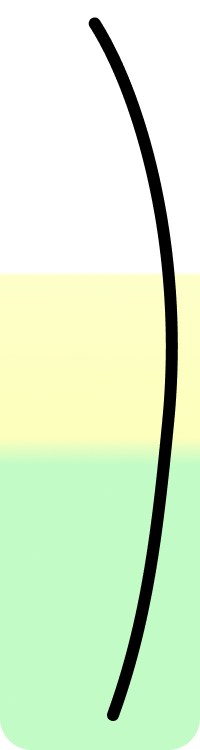
- Hook Phase Timing: Midlane + Controlled
- Shape of Motion: Angular
- Change of Direction: Quick / Fast
- Roll Characteristic: Continuous
PHYSICS BLACKOUT
Strong Asym Torque
SURFACE CHANGE – Power Edge
CHANGE MADE: Polished to Power Edge finish
WHY IT MATTERS: Reduced friction in the front part of the lane, saving energy.
REACTION CHANGE: Delayed hook, sharper and more angular backend.
ARSENAL IMPACT: Expands usability to medium volumes and transition; makes the ball more versatile.
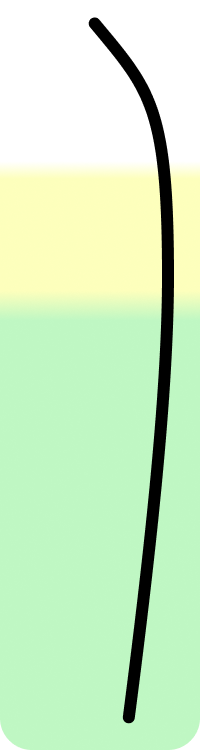
- Hook Phase Timing: Early
- Shape of Motion: Arc
- Change of Direction: Moderate / Medium
- Roll Characteristic: Continuous
PHYSICS BLACKOUT
Strong Asym Torque
ORIGINAL LAYOUT – Standard Roll
LAYOUT: Standard/benchmark drilling (neutral pin-to-PAP distance, balanced CG/PSA).
WHY IT MATTERS: Balances length with mid lane read and backend, giving a true read of the ball’s natural motion.
REACTION PROFILE: Smooth midlane read with controlled arc downlane.
ARSENAL ROLE: Establishes the Blackout as a reliable heavy-oil pearl option when you early hooking ball hooks too soon.
- Hook Phase Timing: Late
- Shape of Motion: Angular
- Change of Direction: Quick / Fast
- Roll Characteristic: Energy Retaining
PHYSICS BLACKOUT
Strong Asym Torque
LAYOUT CHANGE – Earlier Roll
CHANGE MADE: Adjusted layout that promotes earlier core transition
WHY IT MATTERS: Increases flare use earlier, making the ball pick up sooner.
REACTION CHANGE: Stronger midlane roll, smoother backend, less angular shape.
ARSENAL IMPACT: Converts the Blackout into more of a control piece for flatter or high-volume conditions.

- Hook Phase Timing: Midlane + Controlled
- Shape of Motion: Smooth + Arc
- Change of Direction: Moderate / Medium
- Roll Characteristic: Continuous
PHYSICS BLACKOUT
Strong Asym Torque
LAYOUT CHANGE – Later Roll
CHANGE MADE: Adjusted layout that delays roll and maximizes energy storage
WHY IT MATTERS: Keeps the core stable longer, storing energy for the breakpoint.
REACTION CHANGE: Longer push through the heads, sharper motion off the spot.
ARSENAL IMPACT: Turns the Blackout into more of an angle/finisher ball when lanes start to open up

- Hook Phase Timing: Late + Delayed
- Shape of Motion: Angular + Skid Flip
- Change of Direction: Immediate / Very Fast
- Roll Characteristic: Energy Retaining
PHYSICS BLACKOUT
Strong Asym Torque
ORIGINAL CONDITION – Fresh Heavy Oil
LANE CONDITION: Fresh heavy oil (intended baseline).
WHY IT MATTERS: Matches the intent of the Blackout — control through the heads with traction in oil and smooth midlane read.
REACTION PROFILE: Controls the front, reads in the midlane, smooth continuous arc downlane.
ARSENAL ROLE: Baseline heavy-oil option. Great when early reacting balls hook too soon.
- Hook Phase Timing: Late + Delayed
- Shape of Motion: Angular + Skid Flip
- Change of Direction: Immediate / Very Fast
- Roll Characteristic: Energy Retaining
PHYSICS BLACKOUT
Strong Asym Torque
CONDITION CHANGE – Fresh Medium Oil
CHANGE MADE: Same ball thrown on a fresh medium oil pattern.
WHY IT MATTERS: With less oil, the cover finds earlier friction, smoothing out the motion shape.
REACTION PROFILE: Reads the lane sooner, arcs smoother, backend motion softens.
ARSENAL ROLE: Can feel “too strong” or hard to keep from over reacting — better to ball down or use something with more length in these conditions.
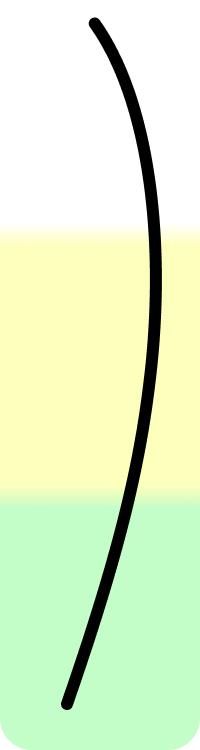
- Hook Phase Timing: Midlane + Controlled
- Shape of Motion: Smooth Arc
- Change of Direction: Moderate / Medium
- Roll Characteristic: Continuous
PHYSICS BLACKOUT
Strong Asym Torque
CONDITION CHANGE – Transition / Breakdown
CHANGE MADE: Same ball thrown after the lane has broken down
WHY IT MATTERS: Extra friction in the heads and track area causes earlier energy loss.
REACTION PROFILE: Hooks early, burns energy, weaker finish downlane
ARSENAL ROLE: In transition, it can hook too early lose continuation, and have a hard time with carry.
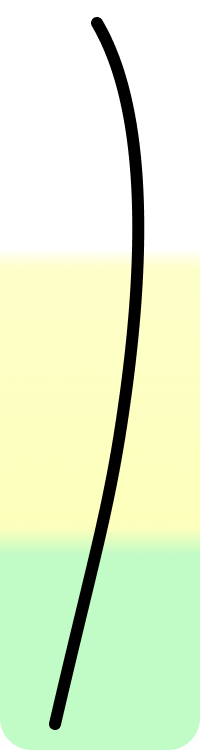
- Hook Phase Timing: Early
- Shape of Motion: Round
- Change of Direction: Smooth / Slow
- Roll Characteristic: Early Rolling