LANE PLAY

Understanding Oil Patterns, Transition, and Ball Motion.

What Creates Lane Conditions?

Every bowling lane behaves differently. Ball motion is primarily influenced by four key variables. Understanding these factors helps you recognize what you're seeing and make better adjustments.

Oil Pattern Length

  • Controls where the ball begins to hook
  • Short patterns hook earlier
  • Long patterns create more skid

Oil Volume

  • Determines how much traction the ball can create
  • Heavy oil requires stronger equipment
  • Light oil favors smoother or weaker balls

Pattern Shape

  • Describes how oil is distributed across the lane
  • House patterns provide miss room
  • Sport or flat patterns are much more demanding

Lane Transition

  • Lanes change as games are played
  • Fresh → Transition → Burn
  • Ball motion evolves as oil moves and breaks down

Lane Surface & Topography

  • Lane materials affect friction and oil movement
  • Wood and synthetic lanes react differently
  • Even small surface variations can influence ball motion

Oil Pattern Length

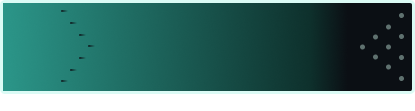
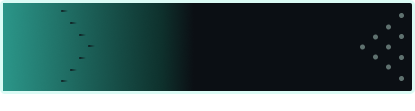
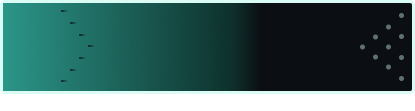
Oil pattern length determines where the ball begins to hook and where the breakpoint must occur. Short patterns create early friction and strong backend motion, while longer patterns delay hook and require more downlane shape to reach the pocket.
Short Pattern (32–37 ft)

Short oil pattern diagram
  • Ball motion: Hooks early with strong backend
  • Strategy: Play straighter angles toward the outside
  • Equipment: Urethane or smoother reactive covers
  • Weaker cores and higher surface help control backend motion

Medium Pattern (38–42 ft)

Medium oil pattern diagram
  • Most common lane condition
  • Strategy: Balanced launch angles and standard breakpoint
  • Equipment: Benchmark balls with symmetrical cores
  • Mid-strength covers provide predictable motion

Long Pattern (43–47+ ft)

Long oil pattern diagram
  • Ball motion: Skids longer with weaker backend
  • Strategy: Deeper launch angles to create hook
  • Equipment: Strong reactive covers and asymmetrical cores
  • Lower grit surfaces help create earlier traction

Oil Volume

Oil volume determines how much traction you need to create ball motion. Higher oil volumes reduce friction between the ball and the lane, requiring stronger equipment and rougher surfaces to generate hook.


Light Oil ~18–22 mL

Heavy oil pattern diagram

Lane Reaction

  • Early friction
  • Strong backend motion

Strategy

  • Delay hook
  • Control backend reaction

Equipment

  • Weaker reactive balls
  • Pearl covers or polished surfaces
  • Lower differential cores

Medium Oil ~22–26 mL

Heavy oil pattern diagram

Lane Reaction

  • Balanced traction
  • Predictable backend motion

Strategy

  • Play standard breakpoints
  • Balanced launch angles

Equipment

  • Benchmark bowling balls
  • Symmetrical cores
  • Mid-strength reactive covers

Heavy Oil ~26–30+ mL

Heavy oil pattern diagram

Lane Reaction

  • Reduced friction
  • Longer skid phase

Strategy

  • Create earlier traction
  • Maintain hook through the oil

Equipment

  • Strong reactive covers
  • High differential or asymmetrical cores
  • Lower grit surfaces (1000–2000)

Pattern Shape

Pattern shape describes how oil is distributed across the width of the lane. This distribution determines how forgiving a condition is and how precise a player must be to strike consistently.


House shot oil distribution

House Shot

  • High oil ratio between the middle and outside
  • Built-in miss room helps balls recover from outside
  • Most common pattern in league environments
Cliffed oil pattern

Cliffed Pattern

  • Large difference between inside and outside oil
  • Creates over/under reactions
  • Small misses can produce dramatic changes in motion
Flat oil pattern

Flat Pattern

  • Very small oil ratio across the lane
  • Minimal built-in miss room
  • Accuracy and repeatability become critical
Sport oil pattern

Sport Pattern

  • Lower oil ratios than house shots
  • More balanced distribution
  • Designed to challenge shot accuracy

Understanding Lane Transition

As bowling balls travel down the lane they move oil and create friction. Over time the lane condition changes, which alters ball motion and requires bowlers to make adjustments.

Fresh Oil

Ball Motion Later hook with longer skid phase. The oil has not yet been moved or broken down, so friction is limited.

Strategy Play tighter launch angles and rely on stronger equipment to create traction through the oil pattern.

Bowler Style Adjustments Speed Dominant: stronger covers and rougher surfaces help create traction.
Balanced: benchmark equipment usually matches up well.
Rev Dominant: focus on control using smoother covers and cleaner motion.

Transition

Ball Motion Hook increases as oil is carried downlane and friction develops in the front part of the lane.

Strategy Adjust left on the lane, change surface, or switch balls to maintain proper ball motion.

Bowler Style Adjustments Speed Dominant: the lane begins matching up better as friction develops.
Balanced: adjust angles while maintaining benchmark motion.
Rev Dominant: ball may hook too early and weaker equipment becomes useful.

Burn

Ball Motion Fronts become dry and the ball begins hooking extremely early, often losing energy before reaching the pins.

Strategy Move deeper inside and switch to weaker equipment to delay hook and regain control.

Bowler Style Adjustments Speed Dominant: cleaner covers help retain energy through the front part of the lane.
Balanced: move deeper and control the backend reaction.
Rev Dominant: very weak equipment or polished surfaces are often necessary.

Lane Topography

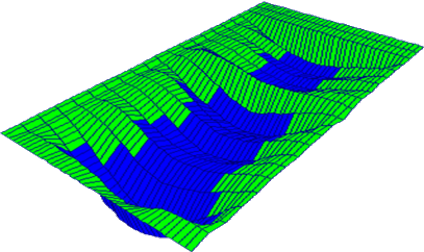
No bowling lane is perfectly flat. Small variations in lane surface shape — called topography — can influence how oil moves and how the ball reacts. These changes are subtle, but they can create hold, early hook, or unexpected motion.
Lane Depressions

Lane depression topography example

Depressions collect oil and can create unexpected hold areas. Balls may skid longer through these sections before changing direction.
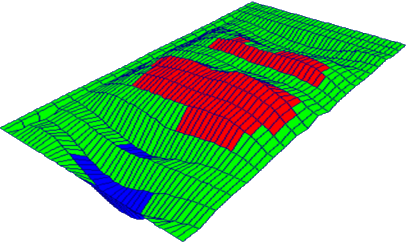
Crowned Lanes

Lane crown topography example

A crowned lane is slightly higher in the center. Oil tends to move away from the peak, which can make the middle of the lane play tighter and reduce miss room.

Surface Adjustments

Surface is the most powerful tool bowlers have to control ball motion. While coverstock and core define a ball’s overall shape, surface is what allows you to adjust the bowling balls traction to match the lane condition.

Rougher surfaces create earlier traction. Smoother surfaces push the ball farther down the lane before it hooks.

SKID

HOOK

ROLL
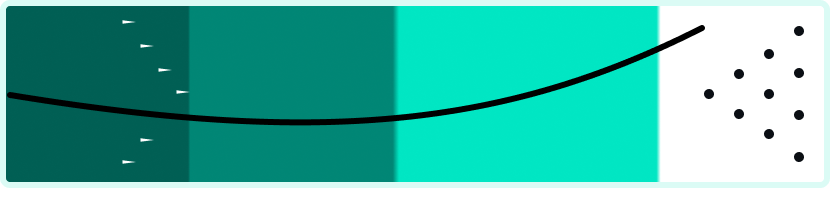
Ball Motion Path