


Each position in the matrix represents a different type of ball motion.
By organizing equipment around reaction shape rather than just ball names, bowlers can quickly identify what their arsenal already covers and what reaction they may be missing.
The matrix grows with the bowler. Most players don't carry nine balls, but the system expands naturally as your needs increase.
League Setup
The most common setup for league bowlers. This provides coverage for heavy oil, medium conditions, and lighter transition.
Competitive Setup
Expands the system by adding different motion shapes. This allows bowlers to fine-tune ball motion as conditions change.
Advanced Competitive Setup
Adds medium-strength options to refine control during transition. These pieces bridge the gap between strong and weak equipment, allowing for more precise adjustments as lane conditions evolve.
Tournament Setup
A complete arsenal that allows players to create the exact motion needed regardless of lane pattern, oil volume, or surface.
Each position in the matrix represents a specific motion type designed to solve a particular lane condition.
| Cover/Core Strength | Layout Strength | Reaction Outcome |
|---|---|---|
| Strong Cover/Core | ||
| Strong | Strong | Maximum traction, early control |
| Strong | Medium | Heavy oil benchmark control |
| Strong | Weak | Smooth traction |
| Medium Cover/Core | ||
| Medium | Strong | Strong angular motion |
| Medium | Medium | Benchmark reaction |
| Medium | Weak | Controlled length |
| Weak Cover/Core | ||
| Weak | Strong | Angular backend |
| Weak | Medium | Transition control |
| Weak | Weak | Dry lane option |
Building a bowling arsenal is not about collecting random bowling balls. The matrix system helps bowlers organize equipment so they can create the right ball motion for different lane conditions.
Most bowlers do not need a full nine-ball arsenal, but the system allows players to gradually expand their equipment as their needs grow.
Every arsenal begins with a benchmark ball placed in the center of the matrix. This ball provides the most predictable motion and helps bowlers read how the lane is playing.
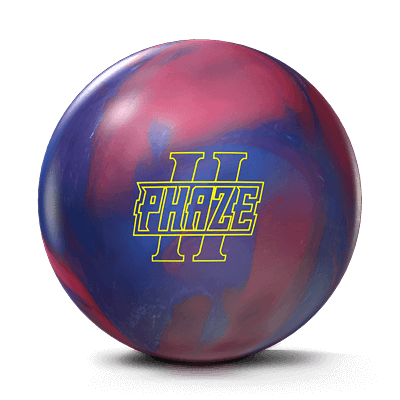
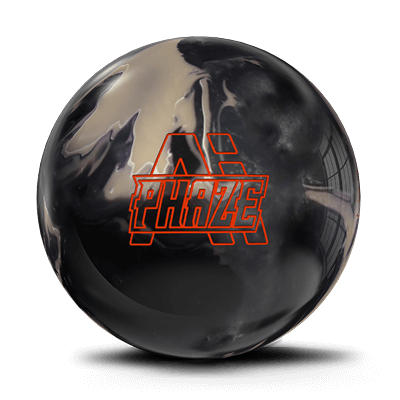
Example: Phaze II
Helps slow the ball down and create more hook when ball speed overpowers rev rate.

Example: !Q Tour
The classic benchmark shape that allows bowlers to clearly read how the lane is transitioning.

Example: !Q Tour A.I.
Allows high-rev bowlers to maintain control and avoid early hook.
Uses a stronger drilling to create earlier traction and handle heavier oil conditions.
Uses a weaker drilling to create more length and control when the lanes start to transition.
Together these three balls allow bowlers to compete on heavy, medium, and lighter conditions.
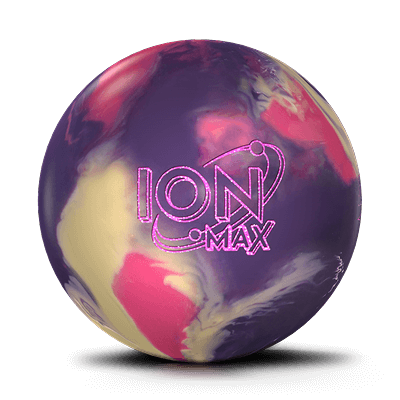
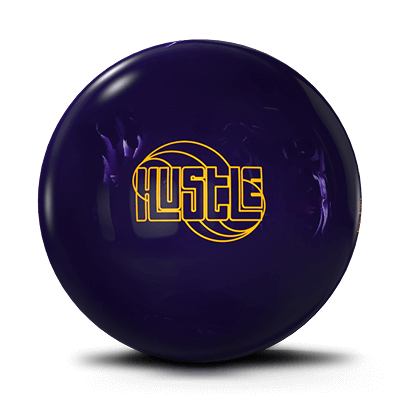
Once the three-ball foundation is established, bowlers can expand the matrix by introducing new motion shapes.
A strong coverstock paired with a weaker drilling creates more traction while maintaining length.
A weaker cover paired with a stronger drilling creates additional shape when the lanes start to transition.
These additions introduce new ball motion shapes that were not available in the original three-ball setup.

Advanced players can continue filling the remaining spaces in the matrix to create precise motion options for any lane condition.
Additional balls allow subtle adjustments in hook strength, shape, and lane response.
Each new ball fills a specific motion space that wasn’t previously covered in the arsenal.
Completing the matrix allows bowlers to create the exact ball motion needed regardless of pattern length, oil volume, or lane surface.
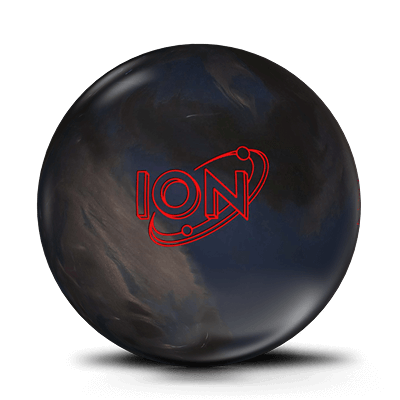
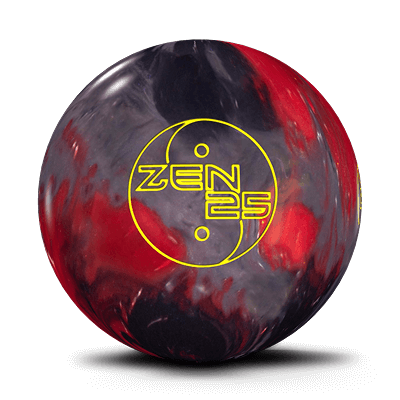
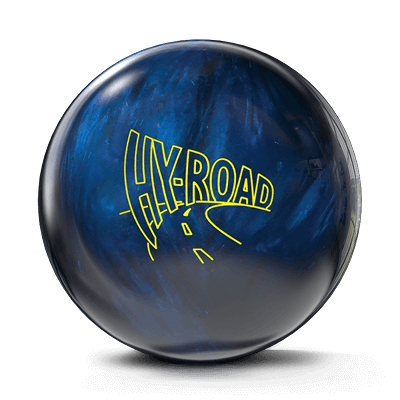
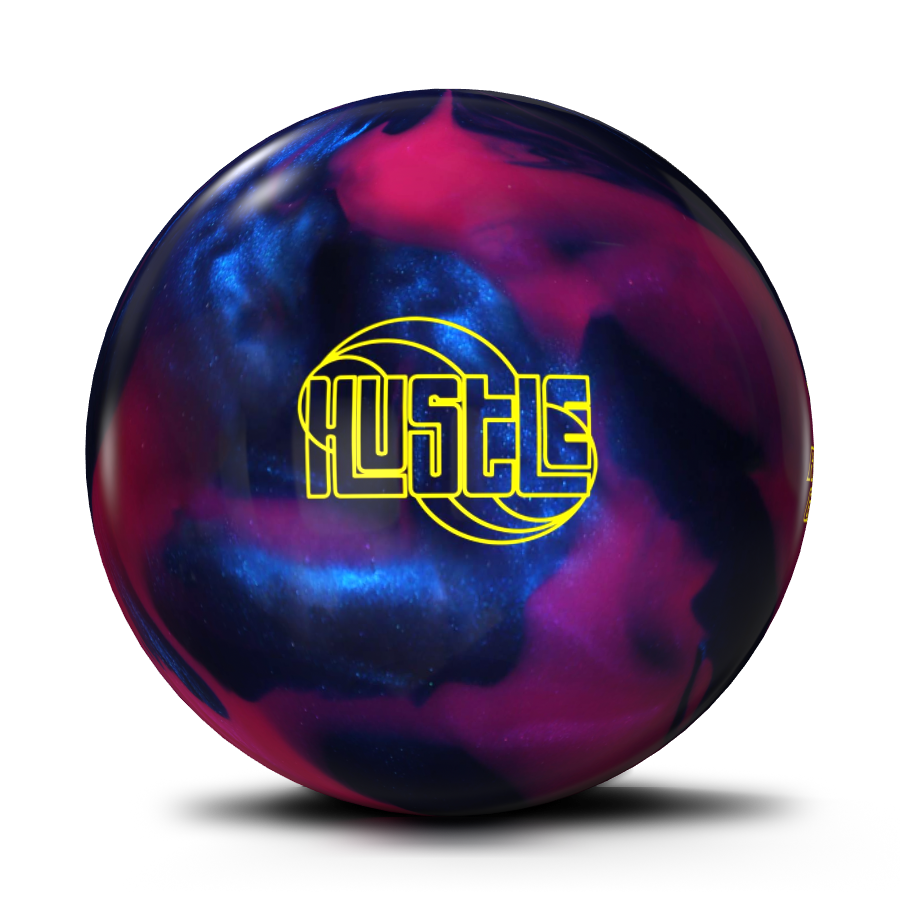
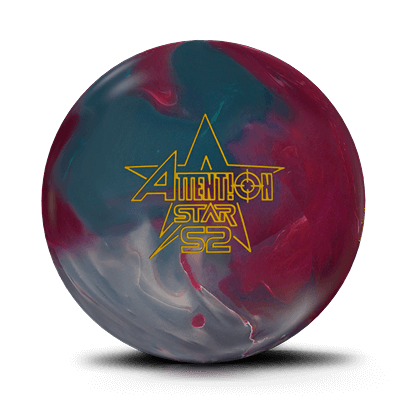
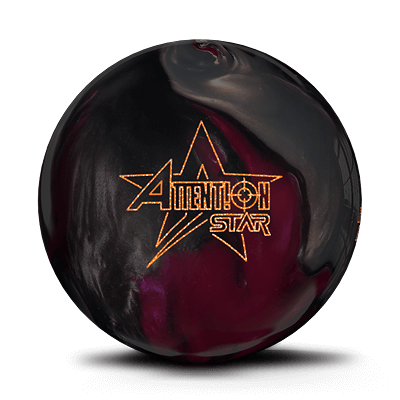
These examples show how different bowler styles may build their matrix. Each arsenal fills the grid differently depending on how the player creates ball motion.
Example Arsenal

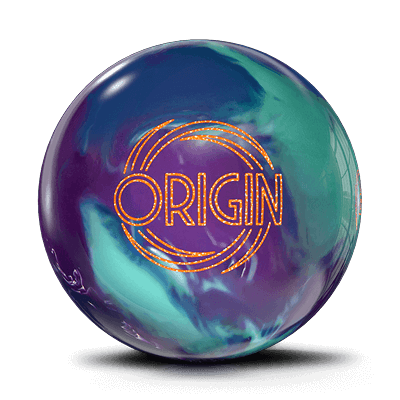
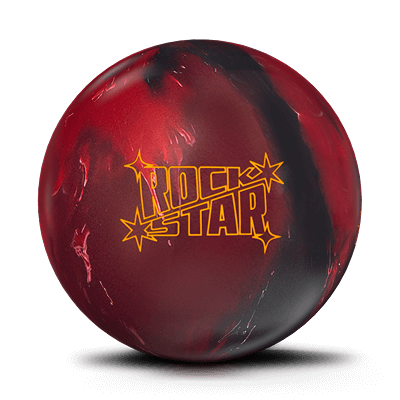
Example Arsenal
Example Arsenal

Ball motion is not determined by one thing alone. Three key factors work together to shape how a bowling ball reads the lane and transitions through skid, hook, and roll.
The core and coverstock determine the ball’s intended motion and overall traction potential.
Surface preparation determines how early the ball reads the lane and how much traction it creates.
Drilling layouts fine-tune how the ball transitions through the hook phase and how much flare potential it creates.
Follow the steps to generate your ideal setup.
.jpeg)