Softer materials create more friction and traction. Harder, smoother surfaces glide farther before reacting.

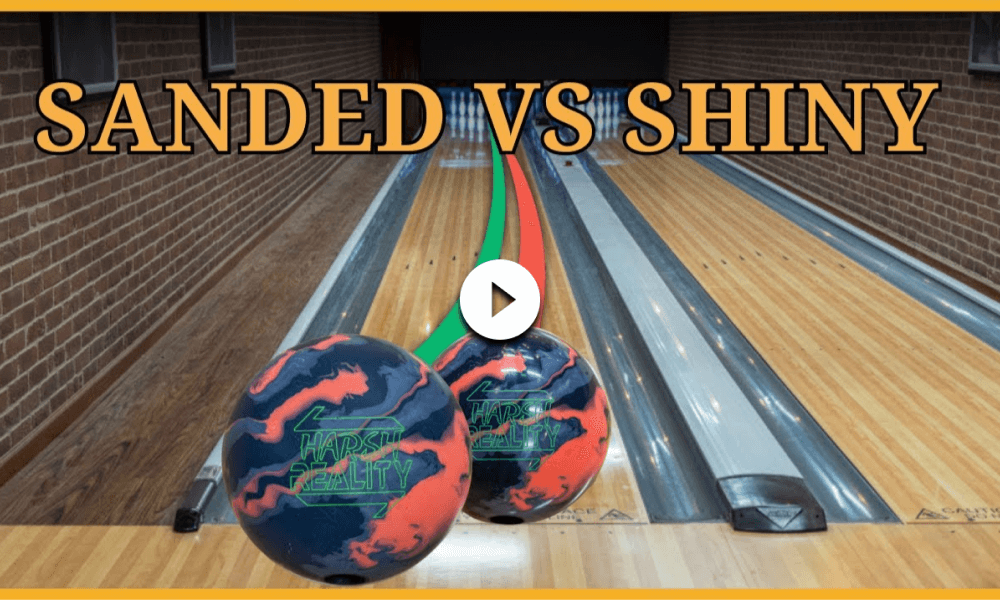
The surface finish—whether sanded or polished—acts like tread depth on a tire. Rougher finishes bite into the lane earlier, while smoother finishes retain energy for later motion.
Reactive coverstocks are like soft, high-grip race tires: they create friction fast and generate strong hook potential. Urethane and harder compounds behave like all-weather tires—more control, less flare, smoother motion.


Lane oil changes everything. Just like water on asphalt, it can reduce friction or cause a ball to hydroplane. Surface prep and chemistry determine how quickly a ball cuts through the oil to find traction.
Just like a car’s engine needs tires to transfer power, the core relies on the coverstock to translate its motion to the lane. The right match produces a balanced, predictable shape that maximizes hook and hitting power.

Swipe through our coverstock families to see how they compare in relative strength, motion, and best use conditions. Filter by brand to foucs on Storm, Roto Grip, or 900 Global.
| Coverstock | Type | Relative Strength | Best Conditions | Example Balls |
|---|---|---|---|---|
| High Performance Reactive | ||||
| EXO™ | Solid Reactive |
Maximum traction
|
Heavy oil | Virtual Energy Blackout |
| EXO+™ | Solid Reactive |
Enhanced traction & continuation
|
Heavy oil / long patterns | Super Nova XP |
| NeX™ | Solid Reactive |
Very high traction
|
Medium-heavy to heavy | Proton PhysiX, Dark Code |
| NeX+™ | Solid Reactive |
Increased midlane control
|
Heavy to long patterns | DNA Coil |
| GI-21™ | Solid Reactive |
Aggressive traction with control
|
Medium-heavy oil | Pro Motion |
| NRG PRO Solid™ | Solid Reactive |
Heavy traction with smooth shape
|
Heavy oil | Reality Check |
| NRG-3™ | Solid Reactive |
Stronger backend motion
|
Medium-heavy | Super Nova |
| NRG-2™ | Hybrid Reactive |
Controlled midlane with continuation
|
Medium to medium-heavy | Code Master |
| NRG™ | Solid Reactive |
Proven traction baseline
|
Medium-heavy | Virtual Gravity, Proton PhysiX |
| NRG Smooth™ | Solid Reactive |
Earlier roll, smoother motion
|
Medium-heavy | Proton PhysiX variant |
| Mid Performance Reactive | ||||
| TX-23™ | Hybrid Reactive |
High traction with backend
|
Versatile medium-heavy | Super Nova |
| TX-16™ | Solid Reactive |
Strong midlane read
|
Medium-heavy | Phaze II |
| RX™ | Hybrid Reactive |
Balanced traction & control
|
Medium lanes | Summit Peak |
| ReX™ | Hybrid Reactive |
Balanced strength
|
Medium to medium-heavy | Phaze V, Summit Peak |
| R4S™ | Hybrid Reactive |
Clean with angular backend
|
Medium conditions | Dark Code |
| R3X™ | Solid Reactive |
Controlled midlane
|
Medium to medium-heavy | Crux Prime |
| R3S™ | Hybrid Reactive |
Smooth and versatile
|
Medium lanes | Code Red |
| R2S Pro™ | Pearl Reactive |
Sharper backend motion
|
Medium to dry | IQ Tour 78/U Hybrid |
| R2S™ | Solid/Pearl/Hybrid |
Benchmark control
|
Medium lanes | Hy-Road, !Q Tour Ruby |
| R2X™ | Solid Reactive |
Clean with moderate traction
|
Medium | Marvel-S, Lucid |
| R2S Nano™ | Hybrid Reactive |
R2S shape with added traction
|
Medium to medium-heavy | Phaze A.I. |
| R2S Deep™ | Pearl Reactive |
Length with smoother backend
|
Medium to dry | Virtual Energy Blackout |
| XT Shine™ | Pearl Reactive |
Extra clean through the front
|
Medium-light | Night Road |
| A2S™ | Hybrid Reactive |
Clean with defined backend
|
Medium to dry | Hustle RIP |
| A1S™ | Pearl Reactive |
Smooth and clean motion
|
Medium-light | Hustle USA |
| RPM™ | Pearl Reactive |
Quick response downlane
|
Medium-light | Pitch Blue, Streamline |
| Urethane | ||||
| Controll™ Urethane | Urethane |
Smooth & predictable
|
Shorter patterns | Pitch Black, Fast Pitch |
| Controll XL™ Urethane | Urethane |
Slightly stronger urethane motion
|
Short to medium | Pitch Black 2 |
| Controll 78™ Urethane | Urethane |
Tighter control with more hook stop
|
Shorter sport patterns | Pitch Black 78/U |
| U1S™ | Urethane |
Ultra smooth and early
|
Short & low volume | Fast Pitch |
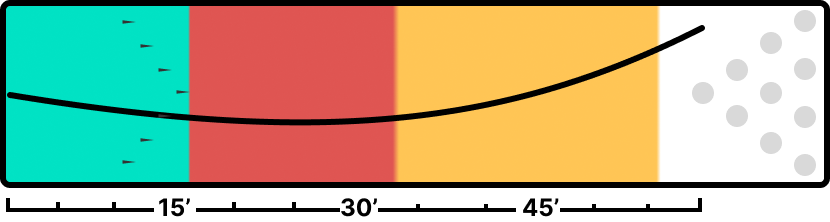
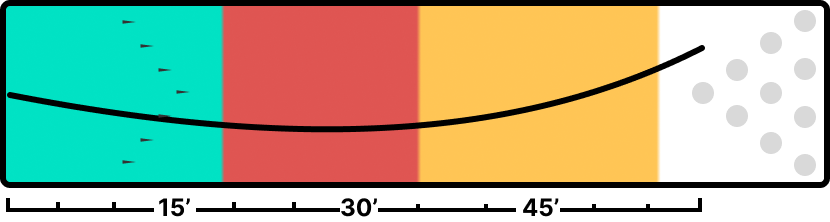
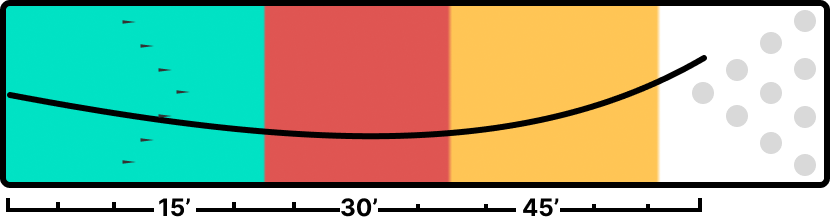
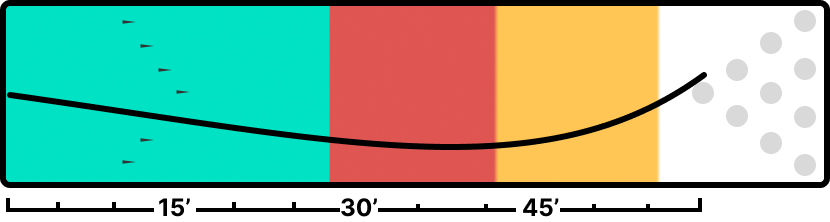
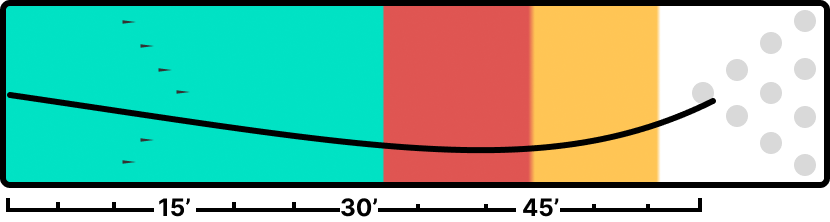
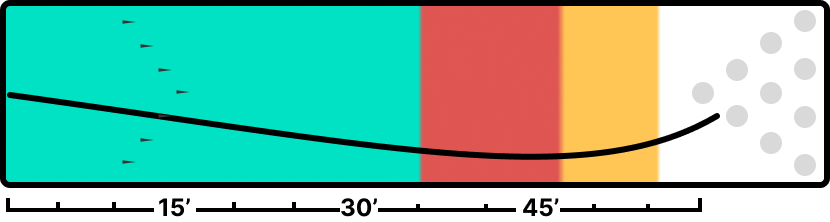
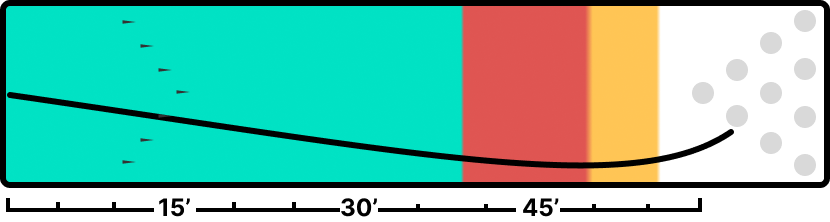
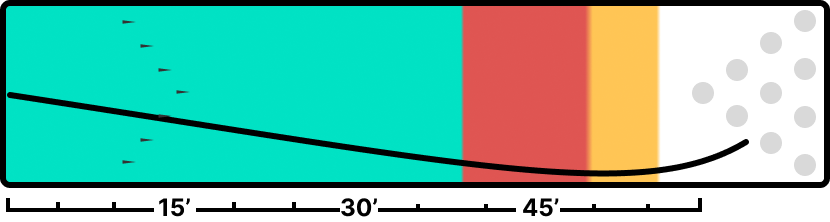
Every Storm, Roto Grip, and 900 Global ball is built by pairing a coverstock with a core. Think of it like tuning an engine with the right tires — the match matters more than either piece alone.
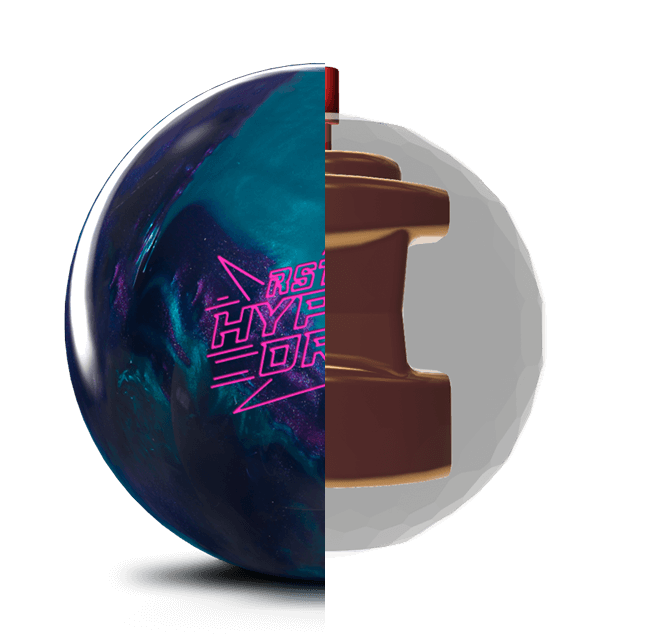

designed for ULTRA-response to friction down lane. The U-R1 Pearl Reactive provides a clean push through the heads, preserving energy for a powerful and continuous backend motion
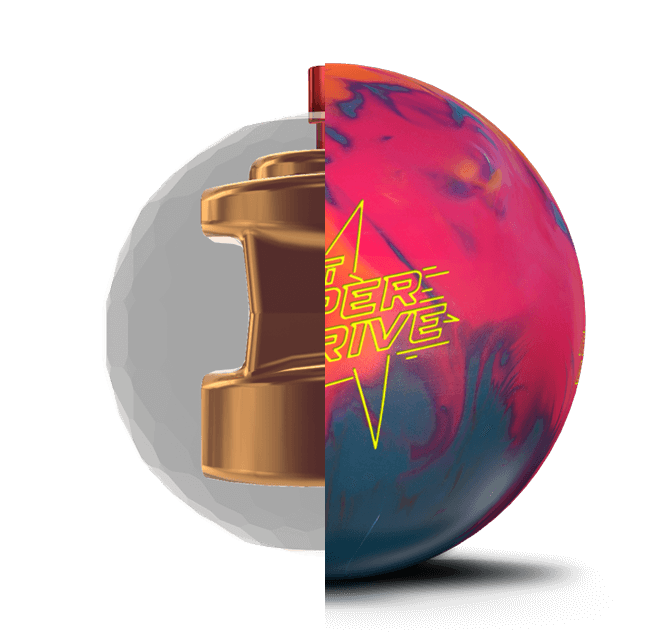

Our grippiest and most aggressive solid coverstock material features our highest ratio of nanoparticles mixed throughout. This formulated mixture not only provides the best traction in higher volumes of oil, it also creates a consistent reaction time and time again thanks to the displacement and absorption of oil.
Yes. Surface prep and resin chemistry matter more than the label. A polished solid can go longer than a sanded pearl.
Absolutely. Pair a pearl with a smoother core or add surface, and it can roll very controlled.
With the right chemistry (like NeX Pearl), yes. Modern pearls can be stronger than older solids.
Not always. Some lean more “solid-like,” others more “pearl-like” depending on the formula.
Sanding roughens the surface, creating more friction in the front part of the lane.
Because it delays the read, saving energy for the backend.
Surface can shift motion earlier/later, but it can’t change the resin chemistry. Weak resin stays weak.
Reactive covers absorb oil. Without cleaning, the cover loses grip.
Yes. Even if you don’t see scratches, micro-scratches and lane oil absorption change performance over time.
Urethane absorbs little to no oil, so it doesn’t “die” the same way reactive resin does.
.jpeg)